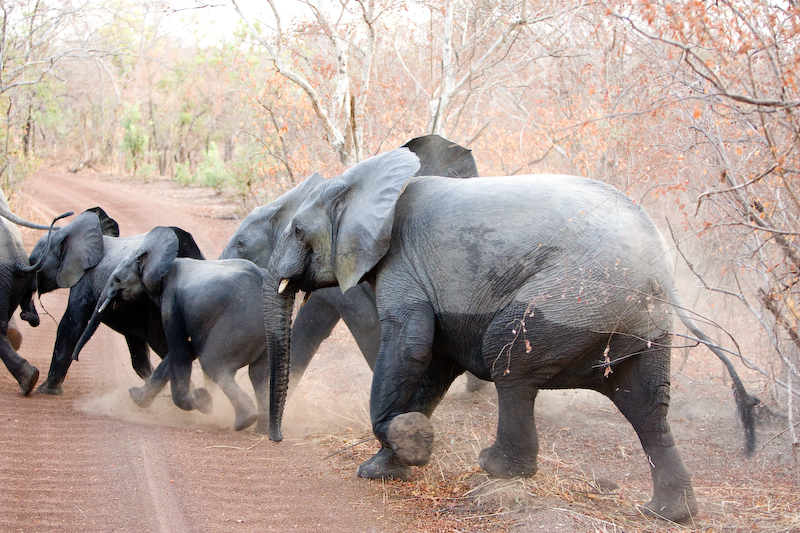
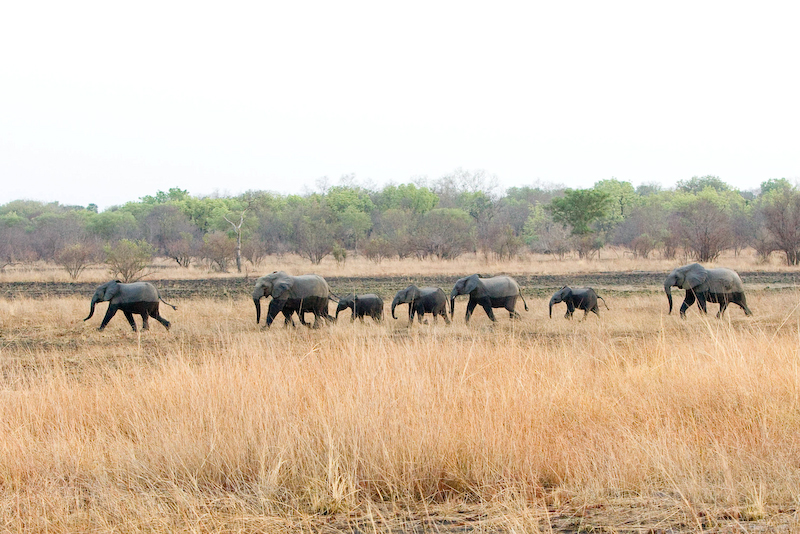
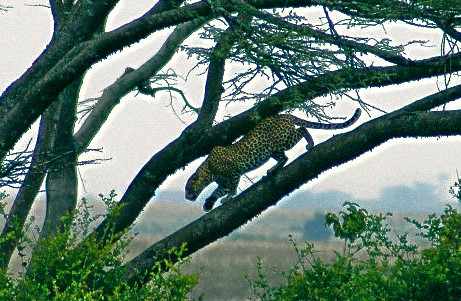
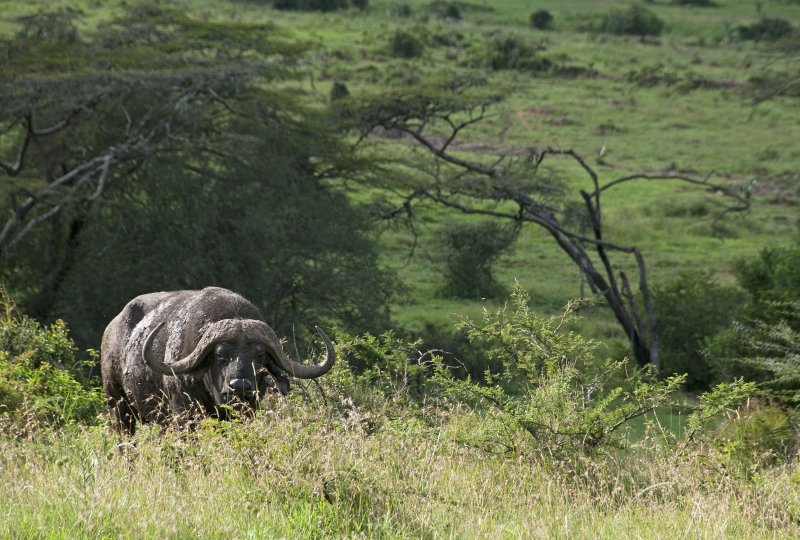
The W National Park is one park with three sections and each of the three sections is in a different country. The three countries of Niger, Benin and Burkina Faso each governed their respective part of this national park. The W National Park is a UNESCO World Heritage Site. The wildlife found in the W National Park, includes the lion, the leopard, the serval, the caracal, the cheetah, the Cape buffalo, the African elephant, the hippopotamus, the roan antelope, the aardvark, and the warthog. The W National Park contains a small population (less than 30 individuals) of the rare Northwest African cheetah and more than 350 species of bird.
El Kala National Park is located in northeastern Algeria and approximately 40 species of mammals and more than 100 species of birds have been recorded in the park. El Kala National Park became a national park in 1983 and a UNESCO biosphere reserve in 1990.
Nairobi National Park, as the park’s name suggests, is located in the capital city of the African country of Kenya. Under 30,000 acres in size, Nairobi National Park is small in comparison to most African national parks. However, Nairobi National Park, which borders a modern city of three million people, still offers visitors a chance to see many of Africa’s most popular wildlife in their natural habitat.
Species of wildlife found in the park include African buffalo, baboon, black rhinoceros, white rhinoceros, Masai giraffe, Burchell’s zebra, wildebeest, Grant’s gazelle, hippopotamus, hyena, leopard, lion, cheetah (Acinonyx jubatus),Thomson’s gazelle, eland (Tragelaphus oryx), impala, Coke’s hartebeest, waterbuck, and over 500 species of bird. Some of the species of birds found in Nairobi Park include the Common Ostrich, Laughing Dove, the Madagascar Squacco, Lappet-faced Vulture, Nairobi Pipit, White-faced Whistling, African Darter, Grey Heron, Knob-billed Duck, Rosy-breasted Longclaw, Purple Swamphen, Secretary bird, Shelly’s Spurfowl, Yellow-necked Spurfowl, White-bellied Go-away-bird, Greater Honeyguide, Rock Martin, Red-throated Tit, Martial Eagle, Jackson’s Widowbird, Emerald Spotted Wood, Blue-napped Mousebird, Singing bush, Great Egret, Saddle-billed Stock, Black-chested Snake-Eagle, African Palm Shift, Black-shouldered Kite, African Finfoot, Abyssinian white-eye, Hartlaub’s Bustard, Hartlaub’s Turaco, Eastern Honeybird and the Rufous-naped Lark. See the Birds of Nairobi National Park – Checklist for more species.
The Nairobi National Park is also one of Kenya’s most successful rhinoceros sanctuaries. The wildlife conservation efforts at the Nairobi National Park are tremendous and a credit to the government of Kenya.
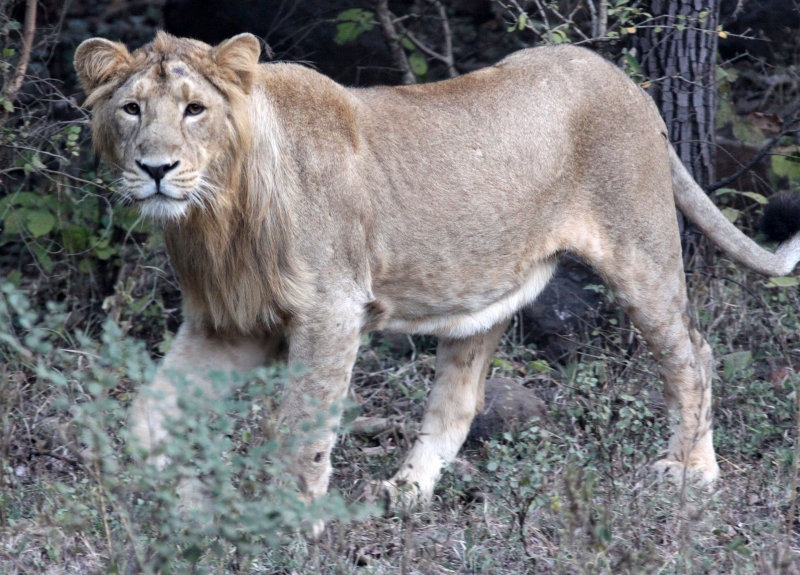
The Gir National Park is located in western India. The major drawing point of this national park is its Asiatic Lions (Panthera leo persiaca).
The Asiatic lion was once widely distributed in Asia Minor and Arabia through Persia to India. In India, the Asiatic lion was found throughout the northern and central states of India. Before the close of the 19th century, the Asiatic lion was hunted to extinct in its range, except in the Gir National Park where the number of Asiatic lion was believed to be about a dozen. Asiatic lions struggled to survive during one of the most severe famines during the early 1900’s. After 1911 lion hunting in India was rigidly controlled by the British Administration and during the year 1913, the Chief Forest Officer reported that there were about 20 Asiatic lions in the Gir Forests. The Gir National Park is now home to about 300 Asiatic lions. The increase in India’s human population has resulted in a shrinkage of the Asiatic Lion’s habitat and now the Gir National Park is the last refuge of this endangered animal. Now the Gir National Park is the only place in the world, outside Africa, where the lion can be seen in its natural habitat.
The Asiatic lion is a slightly smaller subspecies than its larger African cousin. Much of the male Asiatic lion’s time is spent sleeping in the shade, while the lionesses do both the hunting and the raising of the cubs. When a kill has been made, the male lion is usually the first to come and claim his share, while the lionesses wait for their turn. The Gir National Park is known all over the world as the last sanctuary of the Asiatic lion.
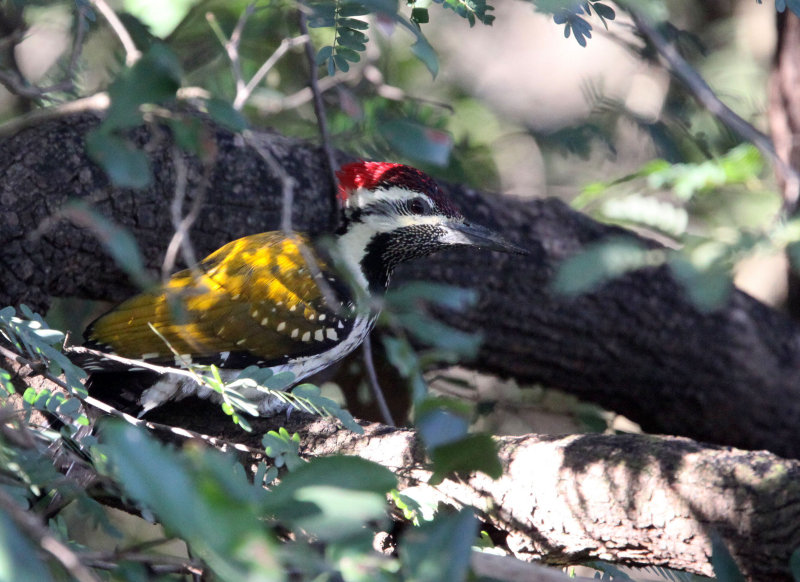
A jeep safari is a great way to experience the Gir National Park; however, one still needs a permit before heading off into the forest. A permit can be obtained at the Sinh Sadan Forest Lodge office before starting down one of the jungle trails. Near the park’s waterholes, observation platforms (known as “machans”) and hides have been raised to allow visitors a closer look of the park’s lions. Dawn and dusk are the best times to observe the Asiatic lion in Gir National Park, as the animals are usually more active at these times. The Gir forest offers a unique habitat for a number of other species of wildlife, including ratel, civet, rusty spotted cat, ruddy mongoose, and pangolin to name a few. See the following checklists for more wildlife found in the Gir National Park ( Birds of the Gir National Park – Checklist, Mammals of the Gir National Park – Checklist and Reptiles of the Gir National Park – Checklist).
There are four major types of habitat in the Gir National Park. First is the Teak forest which occurs in nearly half of this national park. The Teak forest includes the following species of tree: Khair, Sadad, Timru, Babul, Amla, Moledi, Dhavdo, Kadayo and Bahedo. The second habitat type is the non-Teak forest which includes the following species of tree: Khair, Dhavdo, Sadad, Timru, Amla, Moledi, Kadayo, Salai, Simal, Khakhro, Ber and Asundro. The third type of habitat is found along the major rivers and streams of the park and include the following plants: Jambu, Karanj, Umro, Vad, Kalam, Charal, Sirus and Amli. The fourth habitat includes Prosopis and Casuarina that were planted in the coastal border.
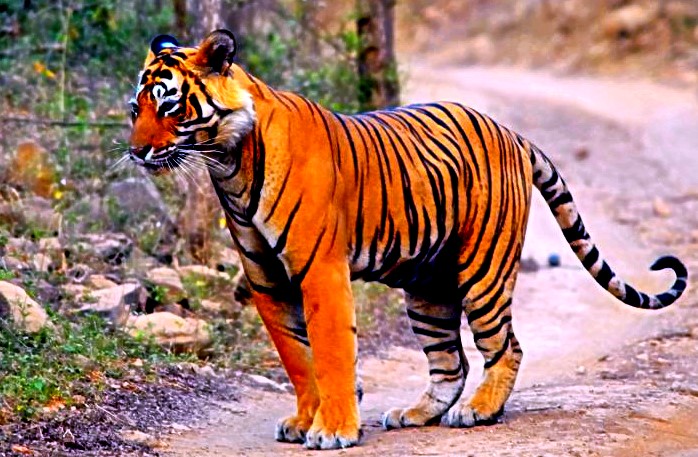
Located in the Vindhya Hills of the state of Madhya Pradesh in central India, Bandhavgarh National Park is a well-known natural sanctuary for Bengal tigers and the most popular national park in India. The tiger population at Bandhavgarh National Park is the highest in India. Bandhavgarh was previously a hunting preserve for the Maharaja of Rewa, but became a national park in 1968. The first white tiger was captured in Rewa in 1951.
You can delight in exploring the rich flora and fauna of Bandhavgarh National Park by jeep safari or by elephant safari. The jeep safari takes the visitor along the dirt roads of the park whereas the visitor can ride an elephant back into parts of the national park that cannot be reached by jeep. The visitor is always accompanied by a forest guide when exploring the national park and the guide helps you locate the wildlife that you want to observe. During the monsoon season, from July to November, the park is closed.
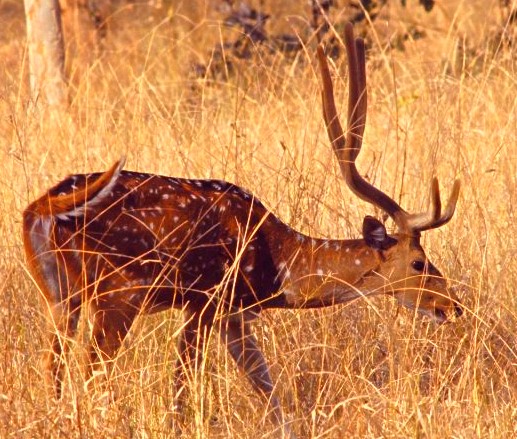
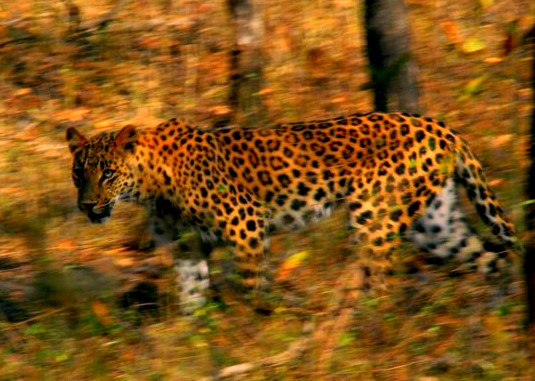
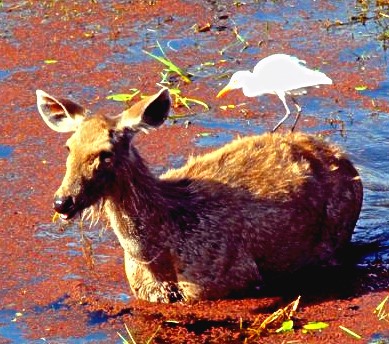
The opportunity to see a tiger roaming free in the wild is the biggest draw of Bandhavgarh National Park. The park, however, offers many other wildlife. Bandhavgarh National Park is home to nearly 40 species of mammals, including Common Langur (Semnopithecus spp.), Rhesus Macaque (Macaca mulatta), Asiatic Jackal (Canis aureus), Bengal Fox (Vulpes bengalensis, Sloth Bear (Melursus ursinus), Ratel, Gray Mongoose (Herpestes edwardsii), Striped Hyena (Hyaena hyaena), Indian Wolf (Canis lupus indica), Jungle Cat (Felis chaus), Leopard (Panthera pardus), Bengal Tiger (Panthera tigris), Indian wild boar (Sus scrofa), Spotted Deer (Axis axis), Sambar (Rusa unicolor), Barking Deer (Muntiacus muntjak), Chausingha (Tetracerus quadricornis), Nilgai (Boselaphus tragocamelus), Chinkara (Gazellae bennettii), Gau Gaur (Bos gaurus), Dhole (Cuon alpinus), Small Indian Civet (Viverricula indica), Palm Squirrel (Funambulus spp.) , Indian porcupine (Hystrix indica), and Lesser Bandicoot Rat (Bandicota bengalensis). There are also nearly 250 species of birds in Bandhavgarh National Park. Birds of Bandhavgarh National Park – Checklist
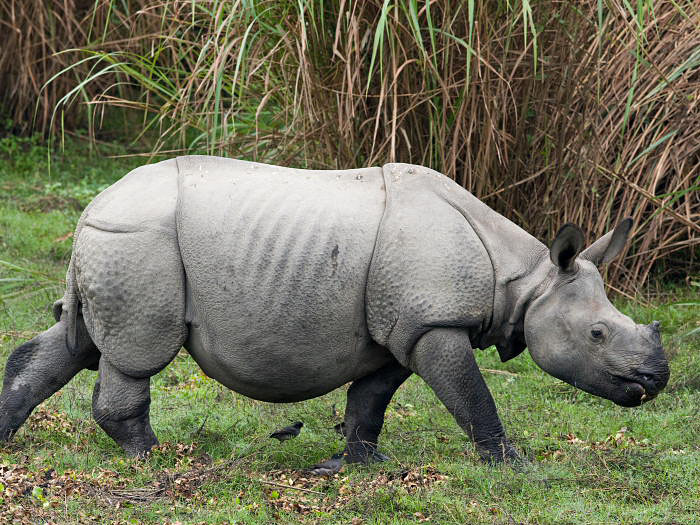
Kaziranga National Park lies in the flood plains of the Brahmaputra River within two districts of Assam, Golaghat and Nagaon. It is flat country with elephant grass and shallow swamps interspersed with large patches of semi-evergreen forest. In addition to grasses and forests, the Kaziranga National Park has swamps which are full of water lilies, lotus and water hyacinth, adding to the beauty of the park’s natural landscape. Kaziranga National Park is a UNESCO World Heritage Site, known for its success in the conservation of one horned Indian Rhinoceros. Kaziranga National Park is also home to 14 other species of threatened mammals.
Wildlife of Kaziranga National Park
Indian Wildlife at Kaziranga National Park
Mammals found in Kaziranga National Park include One horned rhinoceros (rhinoceros unicornis), wild buffalo (bubalus bubalis), indian elephant (elephas maximus), royal bengal tiger (panthera tigris), indian wild boar (sus scrofa), eastern mole (talpa micrura), pangolin (manis crassicaudata), indian gaur (bos gaurus), swamp deer (cervus duvauceli), sambar (cervus unicolor), barking deer (muntiacus muntjak), white browed gibbon (hylobates hoolock), hog deer (axis porcinus), capped langur or leaf monkey (presbytis pileatus), rhesus macaque (macaca mulatto), assamese macaque (macaca assamensis), leopard (panthera pardus), sloth bear(melursus ursinus), indian porcupine (hystrix indica), fishing cat (felis viverrina), jungle cat (felis chaus), large indian civet (viverra zibetha), small indian civet (viverricula indica), indian gray mongoose (herpestes edwardsi), small indian mongoose (herpestus auropunctatus), bengal fox (vulpes bengalensis), golden jackal (canis aureus), common otter (lutra lutra), chinese ferret badger (melogale moschata), hog badger(arctonyx collaris), ganges and indus river dolphin (platanista gangetica), orange-bellied himalayan squirrel (dremomys lokriah), and asiatic black bear (selenarctos thibetanus).
Tigers at Kaziranga National Park
Some of the birds found in the Kaziranga National Park include Crested Serpent Eagle, Palla’s Eagle, Grey Headed Fishing Eagle, Greater Adjutant Stork, Bar Headed Geese, Whistling Teal, Ferruginous Pochard and Grey-headed lapwing. The solitary snipe and Goliath Heron, although extremely rare and endangered, have been reported here.
Reptiles of the Kaziranga National Park include Black krait (bungarus niger), bengal cobra (naja kaouthia), banded krait (bungarus fasciatus), common kukri snake (oligodon arnensis), checkered keelback watersnake (amphiesma stolata), common or long-nosed vine snake (ahaetulla nasuta), copperhead trinket snake (elaphe radiata), common krait (bungarus caeruleus), king cobra (ophiophagus hannah), pit vipers (trimeresurus spp.), rock python (python molurus), russel’s viper (vipera russellii), reticulated python (python reticulatus), rat snake (ptyas mucosus), striped keelback (amphiesma stolata), Assam greyish-brown gecko (hemidactylus garnotii), assam olive-brown skink (mabuya multifasciata), assam greyish-brown gecko (hemidactylus garnotii), common bengal monitor (varanus bengalensis), common indian skink (mabuya carinata), dotted garden skink (lygosoma punctata), indian water monitor (varanus salvator), light-olive assam garden lizard (calotes emma), ticticky house gecko (hemidactylus frenatus), tuckto gecko (gecko gecko), Assam roofed turtle (kachuga sylhetensis), brown roofed turtle (kachuga smithii), brown hill tortoise (manouria emys), gangetic or indian softshell turtle (aspideretes gangeticus), indian roofed turtle (kachuga tecta), indian tent turtle (kachuga tentoria), indian eyed turtle (morena petersi), indian peacock softshell turtle (aspideretes hurum), indian flapshell turtle (lissemys punctata), indian black turtle (melanochelys trijuga), keeled box turtle (pyxidea mouhotii), malayan box turtle (cuora amboinensis), narrow headed softshell turtle (chitra indica), spotted pond turtle (geoclemys hamiltonii), oldham’s leaf turtle (cyclemys oldhami), and Gharial (Gavialis gangeticus).
Kruger National Park is the largest and most visited national park in South Africa. It has a great diversity of wild animals and plants. The park is an especially good location for viewing many species of birds (see the checklist of bird species below) and trees. Wildlife viewing is mainly done from vehicles. You are not allowed to leave the road; thus making close-up views of lion kills and leopards uncommon, as compared to private game reserves that allow off-road vehicles to approach the wildlife. However, Kruger is great for wildlife photography because of the diversity of habitats and wildlife.
The term and concept of a national park are believed to have originated with George Catlin, an American artist who wrote the following while visiting the Dakota territory of the United States in 1832: “by some great protecting policy of government… in a magnificent park…. A nation’s park, containing man and beast, in all the wild and freshness of their nature’s beauty!” Catlin was a noted 19th century, American painter who was particularly interested in visiting and painting the Indians of the Old West during his life. More than 500 of Catlin’s paintings are now part of the Smithsonian Institution. Another 700 of his sketches reside in the American Museum of Natural History in New York City. After traveling to the west and meeting with numerous North American Indian Tribes, Catlin became concerned with protecting the Indians, the wildlife and the great wilderness of the western United States. His vision was to have all of these elements (including indigenous peoples) contained within a huge park that was protected by the federal government. In 1841 Catlin published “Manners, Customs, and Condition of the North American Indians”. Catlin later spent nearly five years visiting the Indians of Central and South American.
As appreciation for preserving the unspoiled nature of the “West” began to grow in the 1800s, the first step towards a national park took place in 1864. In this year, federally legislation transferred the ownership of the land that is now known as Yosemite National Park to the state of California to “be used and preserved for the benefit of mankind”. Officially Yosemite was not the first national park because at the time it was created it was under the control of the state government, but unofficially, this was the first time that Catlin’s idea of preserving such a grand area of natural beauty in the “West” was put into practice.
Several years later, with Yosemite as a precedent, there was growing support for reserving the land that is now Yellowstone National Park for public use. However, unlike the Yosemite Valley, which lied entirely within the state of California, Yellowstone stretched across two separate territories of the United States. Since it could not be put into the custody of a state government, Yellowstone was instead placed under the exclusive control of the Secretary of the Interior. Yellowstone National Park, officially, became the first national park in the world, when the bill passed Congress and was signed into law by President Ulysses S. Grant in 1872. In 1890, Sequoia and Yosemite both officially became became national parks. Today there are 59 national parks in the United States and over 6,000 national parks in nearly 100 other countries throughout the world.






 National Parks Worldwide